Introduction: Exceptional Exhibitions to Visit Now
From winter 2026 into spring, fascinating art exhibitions are being held across Japan. From a retrospective of Komura Settai, a book designer and illustrator active from the Taisho to early Showa period, to contemporary glass art, ancient Sue ware, Japanese painting masters, and design giants, a diverse range of themes awaits. This article provides detailed introductions to five notable exhibitions worth visiting this winter and spring.
“The Discreet Beauty of Komura Settai”: Rediscovering a Forgotten Master of Beauty
Exhibition Overview
Period: December 27, 2025 – March 1, 2026
Venue: Abeno Harukas Art Museum (Abeno-ku, Osaka City, Osaka Prefecture)
Who Was Komura Settai?
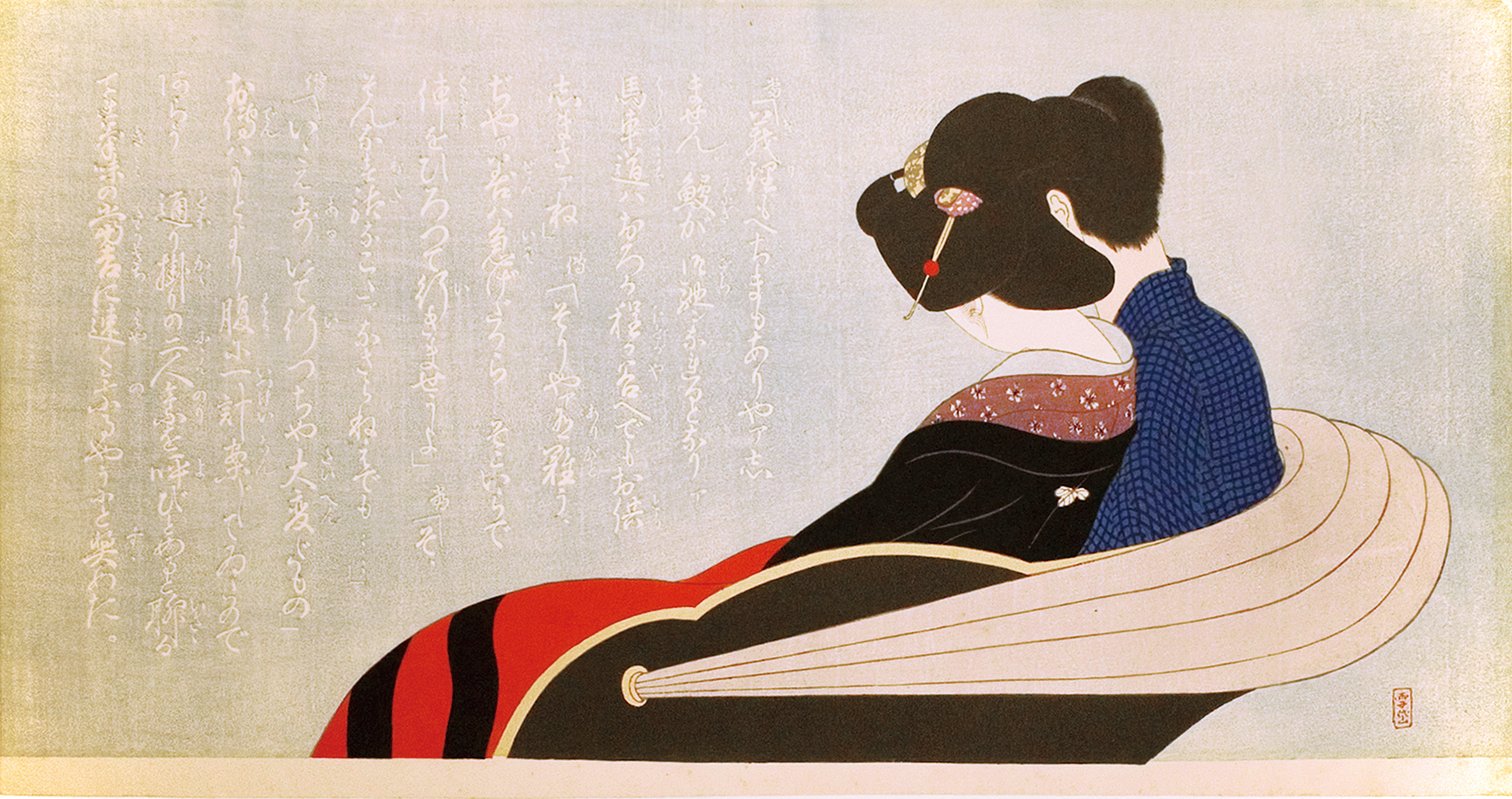
Komura Settai (1887-1940) was a book designer, illustrator, and stage designer active from the Taisho to early Showa period. Known for his book designs and illustrations for novelist Izumi Kyoka’s works, his delicate and emotionally rich creations established a unique style called “Settai-cho” (Settai style).
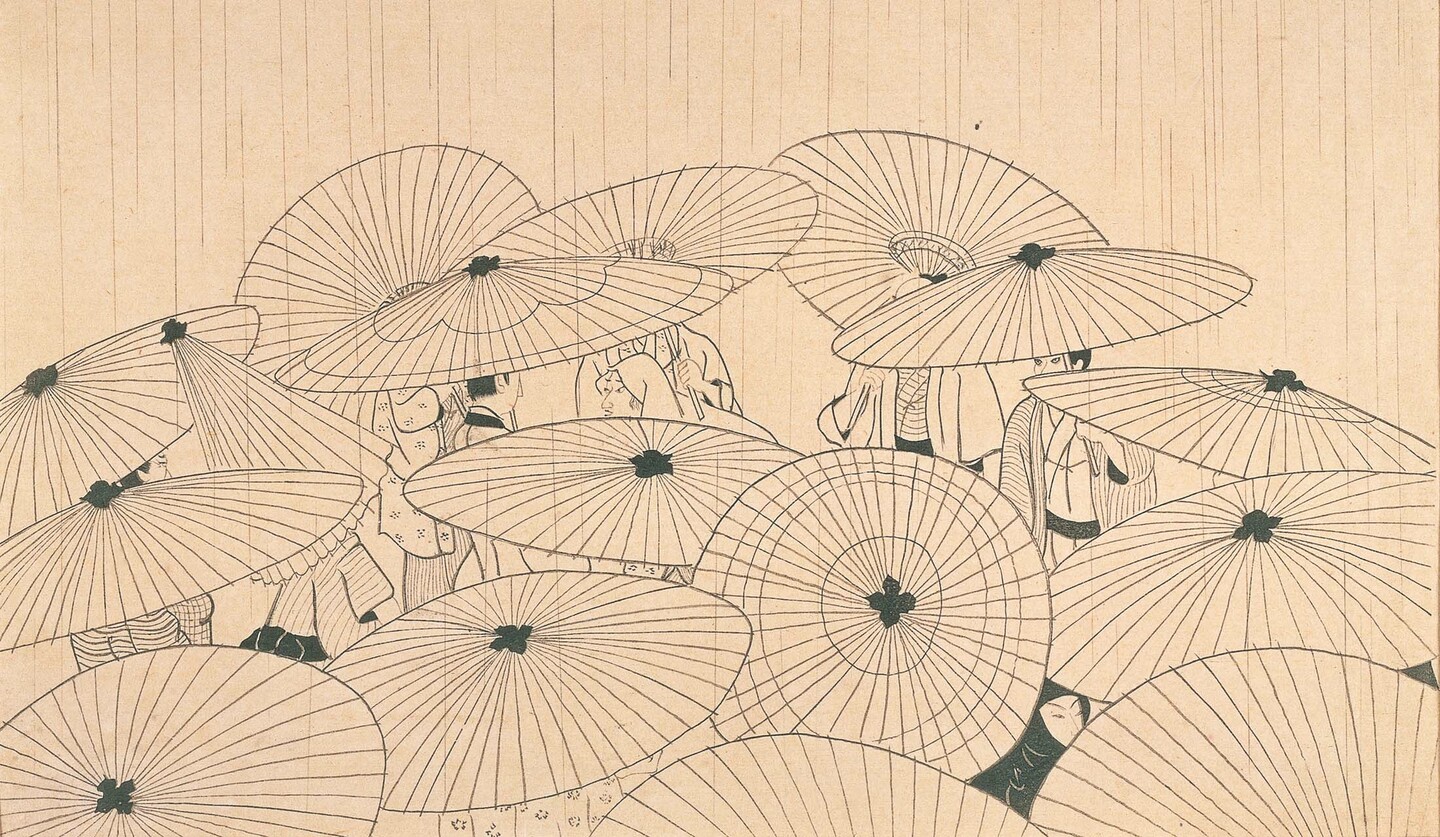
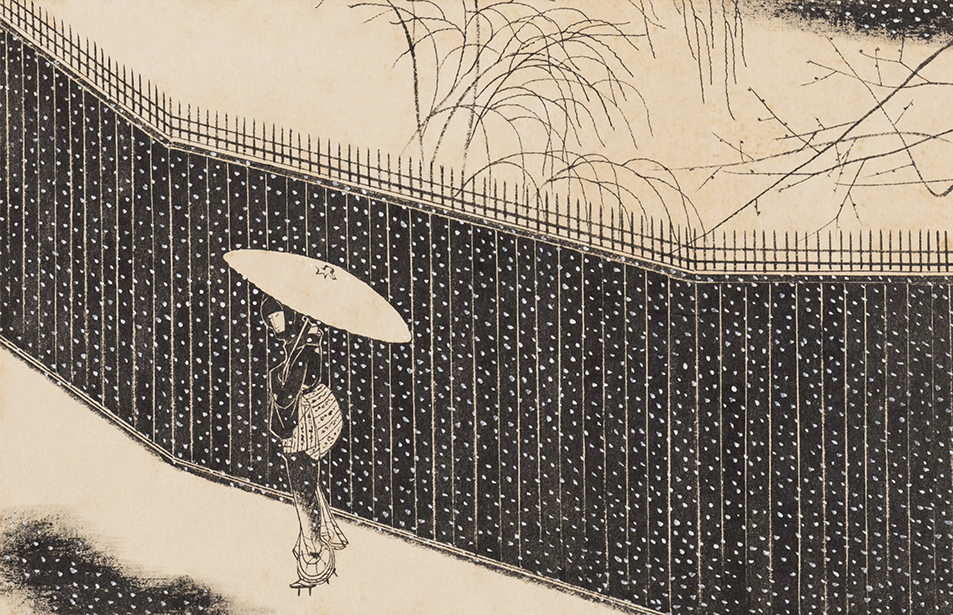
The characteristics of Settai’s work lie in his compositions that utilize negative space, pale colors, and above all, a serene atmosphere that might be called “discreet beauty.” Though not flashy, his works possess a beauty that deeply touches the viewer’s heart, and momentum for his reevaluation has been growing in recent years.
Exhibition Highlights
As titled “All of Komura Settai,” this exhibition is a valuable opportunity to comprehensively introduce Settai’s wide-ranging activities. Various works from the different fields Settai worked in—book design, illustration, Japanese painting, and stage design—are gathered in one place.
Of particular note is his relationship with Izumi Kyoka’s works. Settai possessed a rare talent for visualizing Kyoka’s worldview, and his book designs and illustrations for works like “Nihonbashi” and “Uta Andon” are still celebrated today as ideal collaborations between literature and art. The fantastical world woven by delicate line drawings and restrained colors harmonizes perfectly with Kyoka’s prose.
The materials related to Settai’s stage design work are also not to be missed. In designing stage sets for kabuki and shimpa theater, Settai demonstrated his unique aesthetic sensibility. Visitors can glimpse Settai’s talent for directing space, which differs from his two-dimensional works.
Why Settai Now?
The reason Settai is being reevaluated in contemporary times lies in his minimal and refined aesthetic. In our information-overloaded modern society, Settai’s “aesthetic of subtraction” radiates fresh appeal. The beauty of negative space, restrained expression, and serene emotion may resonate even more strongly in today’s era.
The fact that this exhibition is being held at Abeno Harukas Art Museum, an urban museum, is also significant. Experiencing Settai’s quiet beauty in the vibrant city of Osaka should offer a flow of time different from daily life.
“Iwata Ruri Exhibition: Breathing Glass”: The Forefront of Contemporary Glass Art
Exhibition Overview
Period: Through February 15, 2026
Venue: Hokkaido Museum of Modern Art (Chuo-ku, Sapporo City, Hokkaido)
An Artist Who Breathes Life into Glass
Iwata Ruri is one of Japan’s leading contemporary glass artists. As the title “Breathing Glass” suggests, her works are imbued with a sense of life. Her technique and sensibility in creating organic and soft forms from glass, a transparent and hard material, have captivated many people.
Exhibition Features
This exhibition allows visitors to trace the trajectory of Iwata Ruri’s creative work, from her representative pieces to her latest works. The collection of works skillfully manipulates contrasts such as light and shadow, transparency and opacity, hardness and softness, while maximizing the characteristics of glass as a material, showing various expressions depending on the viewing angle and how light falls upon them.
The Hokkaido Museum of Modern Art is also an appropriate choice for this exhibition. Glass works viewed in the clear light of winter Hokkaido will radiate exceptional beauty. Against the backdrop of snowy landscapes, the transparency of glass should stand out even more prominently.
The Appeal of Glass Art
The greatest appeal of glass art lies in its dialogue with light. The works themselves absorb light, refract it, and reflect it, making the entire surrounding space part of the artwork. Iwata Ruri’s works offer not merely three-dimensional objects, but comprehensive artistic experiences mediated through light and space.
“This is SUEKI—Ancient Forms, Infinite Possibilities!”: A New Way of Seeing Sue Ware
Exhibition Overview
Period: Through March 8, 2026
Venue: Aichi Prefectural Ceramic Museum (Seto City, Aichi Prefecture)
What is Sue Ware?
Sue ware is gray, hard-fired pottery produced from the Kofun period through the Heian period. Created using technology transmitted from the Korean Peninsula, it required advanced firing techniques for its time. It was used for various purposes, from everyday vessels to ritual implements.
Exploring “Infinite” Possibilities
As the catchy title “Ancient Forms, Infinite Possibilities!” suggests, this exhibition takes a new approach to presenting Sue ware, setting it apart from conventional archaeological displays. It focuses on the diversity of forms created by ancient people, their creativity, and design qualities that resonate even in contemporary times.
The forms of Sue ware are truly diverse. From basic vessel types such as jars, urns, pedestaled dishes, and vessel stands, to figural haniwa modeled after animals and buildings, ancient craftsmen demonstrated rich imagination. By reconsidering these not as “ancient relics” but as a “treasure trove of design,” new attractions of Sue ware emerge.
The Significance of Viewing in Seto, the Holy Land of Ceramics
Seto City in Aichi Prefecture is one of Japan’s representative ceramic production areas. The history of ceramic production in this region is so ancient and important that the word “setomono” came to refer to ceramics in general. Viewing Sue ware in this holy land of ceramics is also an encounter with the origins of Japanese ceramics.
For contemporary ceramic artists too, Sue ware is an important source of inspiration. Sue ware contains numerous elements that connect to contemporary ceramics, such as simple and powerful forms, the beauty created by the serendipity of ash glaze, and the durability achieved through high-temperature firing.
“Five Artists from Kyoto” Exhibition: A World of Beauty Woven by Japanese Painting Masters
Exhibition Overview
Period: Through February 28, 2026
Venue: Adachi Museum of Art (Yasugi City, Shimane Prefecture)
The Appeal of the Adachi Museum of Art
The Adachi Museum of Art is known for its Japanese paintings and Japanese garden. The collection of modern Japanese paintings assembled by founder Adachi Zenko is substantial in both quality and quantity, housing numerous works by masters including Yokoyama Taikan. The magnificent Japanese garden, which has been selected as number one in garden rankings by an American Japanese garden specialty magazine multiple times, is also a major attraction of the museum.
The “Five Artists from Kyoto”
Kyoto has nurtured its own unique tradition of Japanese painting, distinct from Tokyo. While the details of the exhibition will determine which artists the “Five from Kyoto” refers to, artists generally representative of the Kyoto painting world include Takeuchi Seiho, Uemura Shoen, Fukuda Heihachiro, Tokuoka Shinsen, and Domoto Insho.
Japanese painting from Kyoto is characterized by an attitude that values tradition while not fearing innovation. Its diversity and creativity—redrawing classical themes with contemporary sensibility or incorporating Western painting techniques while not losing the essence of Japanese painting—are noteworthy in the history of Japanese art.
The Harmony of Japanese Garden and Japanese Painting
The pleasure of appreciating Japanese paintings at the Adachi Museum of Art lies in the harmony with the Japanese garden visible through the museum windows. The nature within the paintings and the actual nature of the garden resonate with each other, providing an experience where the entire museum feels like a single comprehensive work of art.
The season from winter to early spring is particularly delicate for the garden’s expressions. While feeling the seasonal transitions such as snowy landscapes and early spring budding, comparing them with nature depicted in Japanese paintings should deepen understanding of the Japanese aesthetic view of nature.
“Design Teachers” Exhibition: Giants of Design Education
Exhibition Overview
Period: Through March 8, 2026
Venue: 21_21 DESIGN SIGHT (Minato-ku, Tokyo)
About 21_21 DESIGN SIGHT
21_21 DESIGN SIGHT is a design-specialized museum located within Tokyo Midtown. Leading Japanese designers such as Issey Miyake, Taku Satoh, and Naoto Fukasawa serve as directors, hosting special exhibitions that present new possibilities in design. The architecture was designed by Tadao Ando, and the building itself is one of the highlights.
What Are “Design Teachers”?
The exhibition title “Design Teachers” is thought to refer to individuals who contributed to design education or masters who had a major influence on the design world. The field of design has developed through individuals who are both excellent practitioners and excellent educators.
The importance of design education is increasing today. Design has come to play diverse roles—not merely as a technique for creating beautiful things, but as a method for problem-solving, a means of communication, and a tool for improving society. Learning about the philosophies and practices of the “teachers” who shaped this contemporary approach to design should provide important suggestions for considering the future of design.
The Significance of the Exhibition
Design relates to every aspect of our daily lives. The tools we use, the clothes we wear, the spaces we inhabit, the screens we view—everything is designed. However, we rarely have opportunities to deeply consider what good design is and how design has been learned and taught.
This exhibition provides an opportunity to confront such fundamental questions about design. By learning what principles the “teachers” held, what methodologies they used to nurture successors, and what influence they had on the design world, our own perspectives on design should also change.
Conclusion: A Journey Through Diverse Worlds of Beauty
The five exhibitions introduced here pursue “beauty” across different eras, different fields, and different approaches.
Komura Settai’s “discreet beauty” embodies a serene and introspective Japanese aesthetic sensibility. Iwata Ruri’s glass works represent beauty full of life created by contemporary technology and sensibility. Sue ware demonstrates the creativity of ancient people and the universality of design that resonates across time. Japanese paintings from Kyoto show rich expression born from the tension between tradition and innovation. And the “Design Teachers” exhibition will teach us the wisdom that connects beauty with function, and art with society.
Visiting these exhibitions is not merely about seeing beautiful things, but also a journey to learn how people of different eras pursued beauty and what values they held. And through each approach to beauty, it should also become an opportunity to reconsider our own aesthetic sensibility.
From winter into spring 2026, please visit these exhibitions and experience diverse worlds of beauty. New discoveries and inspiration surely await you.
Access Information
Abeno Harukas Art Museum
Abeno Harukas 16F, 1-1-43 Abenosuji, Abeno-ku, Osaka City, Osaka Prefecture
Direct connection from JR/Subway “Tennoji” Station, Kintetsu “Osaka Abenobashi” Station
Hokkaido Museum of Modern Art
Kita 1-jo Nishi 17-chome, Chuo-ku, Sapporo City, Hokkaido
5-minute walk from Subway Tozai Line “Nishi-Juhatchome” Station
Aichi Prefectural Ceramic Museum
234 Minamiyamaguchi-cho, Seto City, Aichi Prefecture
Bus from Meitetsu Seto Line “Owari-Seto” Station
Adachi Museum of Art
320 Furukawa-cho, Yasugi City, Shimane Prefecture
Free shuttle bus from JR “Yasugi” Station
21_21 DESIGN SIGHT
Tokyo Midtown Garden, 9-7-6 Akasaka, Minato-ku, Tokyo
Direct connection from Subway “Roppongi” Station, 5-minute walk from Subway “Nogizaka” Station
For details such as opening hours, closed days, and admission fees for each exhibition, please check the official websites of each museum.
Komura Settai-Seeking Traces of the Faces of Beauty | Kiyomizu Sannenzaka Museum








コメント