An Unprecedented Anomaly Strikes a Famous Production Area
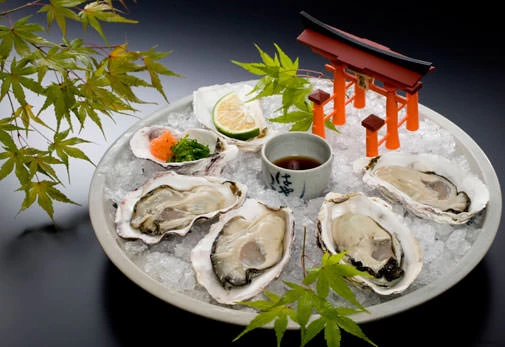
When people think of Hiroshima, oysters (kaki) are one of the first things that come to mind. As Japan’s leading oyster production region, accounting for over 60% of national output, Hiroshima has long delivered high-quality oysters throughout the country. But now, an unbelievable anomaly is occurring in Hiroshima’s waters.
Ninety percent of harvested oysters are dying.
This shocking situation has spread not only throughout Hiroshima but also to Okayama, Hyogo, Kagawa, and other areas along the Seto Inland Sea coast, pushing aquaculture operators to the brink of closure. What exactly is happening in the Seto Inland Sea? This article examines the serious reality unfolding at oyster cultivation sites.
Current State of Hiroshima Oyster Aquaculture and the Severity of the Crisis
Abnormal Situation Facing Japan’s Top Production Region
Hiroshima Prefecture’s oyster aquaculture is a traditional industry with over 400 years of history. Approximately 300 businesses in the prefecture engage in cultivation, producing about 20,000 tons annually. This represents roughly 60% of the national share, with an economic impact reaching hundreds of billions of yen.
However, from 2024 to 2025, an event that shook this core industry occurred. In particularly hard-hit areas, reports indicate that 90% of harvested oysters have died. Since the normal mortality rate for cultured oysters is typically 1-2%, these figures reveal just how abnormal the situation is.
Damage Extending to Next Season’s Oysters
What makes this even more serious is that mass mortality has affected not only this season but also oysters scheduled for harvest next season. Oysters typically take 1-2 years to grow after seedlings are placed in the sea. In other words, if the oysters currently being raised die, next year’s harvest cannot be expected either.
One producer said with a look of despair, “We might have been able to endure if it were just this year. But the ones for next year are dying too. We can’t sustain our business like this.” Voices saying they have no choice but to close family businesses that have continued for decades can be heard throughout the production area.
Reality of Mass Oyster Deaths Spreading Across the Entire Seto Inland Sea
Similar Damage in Production Areas Beyond Hiroshima
This anomaly is not limited to Hiroshima alone. Similar mass oyster deaths have been reported in Okayama, Hyogo, Kagawa, and other prefectures facing the Seto Inland Sea.
In Okayama Prefecture, oyster cultivation thrives centered on the Hinase area, but serious damage has occurred here as well. Along the Harima-nada coast in Hyogo Prefecture and around Shodoshima in Kagawa Prefecture, cries of distress are rising from aquaculture operators.
This phenomenon occurring throughout the Seto Inland Sea, a highly enclosed sea area, is not merely a localized problem but suggests environmental changes affecting the entire marine region.
Impact on Local Economy and Society
The decline of the oyster aquaculture industry is not just a problem for producers. The impact on related industries such as oyster processing, transportation, and tourism is also enormous. In Hiroshima, facilities called “kaki-goya” (oyster huts) for direct sales and dining have gained popularity, but they cannot operate without oysters.
Additionally, serious effects on regional employment are occurring. If jobs for people who work in oyster shelling and other tasks are lost, the entire regional economy will suffer. In production towns, regional communities have formed centered on oyster cultivation, and their collapse becomes an issue affecting the very survival of local society itself.
What Are the Causes of Mass Oyster Deaths?
Multiple Factors Triggered by High Water Temperature
What experts are focusing on most is the rise in seawater temperature. In recent years, water temperatures in the Seto Inland Sea have been trending upward, with particularly high summer temperatures becoming problematic. Oysters are cold-water organisms, and when water temperature exceeds 28 degrees Celsius, they become susceptible to physiological stress.
In the summer of 2024, record-breaking high water temperatures were observed in the Seto Inland Sea. The prolonged high temperatures are believed to have weakened oyster immunity and increased the risk of pathogen infection.
Hypoxia and Changes in Nutrient Salt Balance
In addition to high water temperatures, decreased oxygen concentration in seawater (hypoxia) has also been identified. As water temperature rises, the amount of oxygen that can dissolve in seawater decreases. Since oysters breathe by taking in oxygen from the water, hypoxic conditions are fatal.
Furthermore, the balance of nutrient salts (nitrogen and phosphorus) in seawater has also changed. In the Seto Inland Sea, nutrient salt reduction has been promoted for years as a eutrophication countermeasure, but recently a new problem has emerged: “nutrient salts are too scarce.” When nutrient salts are insufficient, phytoplankton decreases, resulting in a shortage of oyster food.
Possibility of Pathogen Involvement
Fisheries research stations are conducting detailed analysis of dead oysters. Among these investigations, the involvement of specific pathogens or viruses is also suspected. Oysters stressed by high water temperatures have weakened immunity and become more susceptible to pathogens that would normally not be problematic.
In the past, there have been cases in other regions where oyster herpes virus and other agents caused mass mortality. Regarding the current mass deaths, multiple factors likely overlap, making it difficult to identify a single cause.
Are There Solutions? Efforts by Producers and Researchers
Review of Cultivation Methods and Adaptation Measures
Producers are exploring various countermeasures to overcome this crisis.
One approach is adjusting the cultivation depth. During periods of high surface water temperature, moving oysters to deeper locations may reduce the impact of high temperatures. However, balance is difficult because deeper locations have less oxygen supply from photosynthesis.
Efforts to reduce cultivation density have also begun. In overcrowded conditions, pathogens spread more easily, and shortages of oxygen and food are more likely. By spacing them out, the aim is to improve the environment for each individual oyster.
Development of High Water Temperature-Resistant Varieties
Research institutions are also advancing the development of oyster varieties with strong high water temperature resistance. By selecting individuals with high temperature tolerance from wild oysters across the country and repeatedly crossbreeding them, they are attempting to create varieties that can better adapt to environmental changes.
However, selective breeding takes many years. Practical application could take at least several years, and possibly more than 10 years in some cases, so immediate effectiveness for the current crisis cannot be expected.
Efforts to Improve Marine Environment
Government agencies and research institutions are also working to improve the marine environment itself. Various approaches are being considered, including reviewing nutrient salt management and countermeasures against hypoxia through seabed tilling.
However, improving the environment of a vast sea area like the Seto Inland Sea in a short period is not easy. In the face of the major trend of seawater temperature rise due to climate change, it remains unknown how effective countermeasures can be implemented.
The Future of Oyster Aquaculture: A Path to Survival
Maintaining Regional Brand and Consumer Understanding
Even amid this crisis, producers have not given up. They have a strong desire to protect the “Hiroshima Oyster” brand and pass it on to the next generation.
For this, consumer understanding and support are also essential. In the future, oyster production may decrease and prices may rise. However, it is necessary for many people to know that this is not because producers are cutting corners, but because they are confronting the major challenge of environmental change.
Diversifying Income Sources and Regional Cooperation
Some producers are also advancing business diversification not solely dependent on oyster cultivation. Movements to diversify risk are visible, such as providing tourism experience programs and attempting cultivation of species other than oysters (such as scallops and clams).
Additionally, strengthening information sharing and cooperative systems across the production area as a whole is important. Rather than individual producers implementing countermeasures in isolation, it is necessary to overcome this difficult situation by sharing knowledge across the entire production area and cooperating with research institutions and government agencies.
The Future of Fisheries in the Climate Change Era
The current mass oyster deaths vividly demonstrate the severity of climate change’s impact on the fisheries industry. This is not just an oyster problem but a common issue for other aquaculture and fisheries in general.
Rising seawater temperatures, ocean acidification, frequent extreme weather events—these environmental changes will continue into the future and may even accelerate. To make the fisheries industry sustainable, long-term efforts are required, including technology development that can adapt to environmental changes, selective breeding, and innovation in cultivation methods.
Conclusion: To Protect Traditional Industry
Hiroshima’s oyster aquaculture industry, with over 400 years of history, faces an unprecedented crisis. The abnormal situation where 90% of harvests die is so serious that it forces producers to consider closing their businesses.
At the root of this problem lies climate change-induced ocean environmental change, a challenge that all of humanity must confront. The mass oyster deaths serve as a warning bell showing that these impacts have reached our dinner tables and regional traditional industries.
Even in these difficult circumstances, producers in the production areas are desperately working to protect tradition and connect it to the future. What we as consumers can do is understand the current situation in production areas and support sustainable fisheries.
To pass on the treasure of Japanese food culture that is Hiroshima oysters to the next generation, now is the time for each of us to think about what we can do.






コメント