Introduction—A Japanese Woman Supporting the Oldest Mosque in the Tokai Region
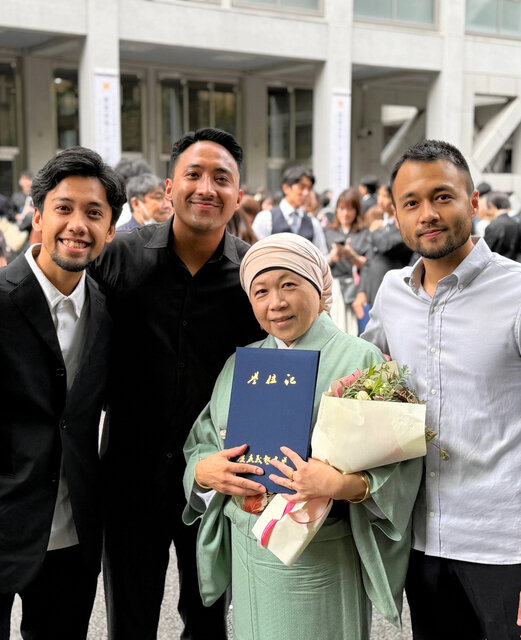
Standing quietly in the city of Nagoya is the “Nagoya Mosque.” Built in 1998, this prayer hall serves as the oldest Islamic place of worship in the Tokai region and has become a spiritual sanctuary for many Muslims. Deeply involved in the establishment and operation of this mosque is Kureshi Sara Yoshimi, who currently serves as a board member.
Yoshimi’s life has traced a unique trajectory that differs from that of typical Japanese people. Raised as a devoted Christian from childhood, she converted to Islam upon marriage. Her story of sincerely living through two different religions demonstrates to us the possibility of coexistence beyond religious and cultural barriers.
Her Origins as a Christian
Yoshimi’s journey of faith began with Christianity. The faith nurtured in her family home from an early age must have had a significant impact on her character formation. The Christian teachings of love for one’s neighbor and the spirit of service would become the foundation for her later activities.
Growing up as a Christian, a minority in Japan, likely gave Yoshimi a deep understanding of “what it means to live as a minority.” This experience would later connect to her support activities for Muslim children facing difficulties living in Japanese society.
Marriage and Conversion—The Door to a New Faith
A major turning point in Yoshimi’s life was her marriage. Meeting her partner opened the door to a new world of faith. Converting to Islam could not have been an easy decision. Leaving the Christian faith she had cherished for many years and accepting a completely different religious system must have required great courage.
However, through this decision, Yoshimi gained an opportunity to confront fundamental questions about what faith is and what God is. Christianity and Islam, though different religions, share the commonality of faith in one God. Perhaps there are essences of religion that only Yoshimi, having experienced both, could perceive.
The Path to Establishing Nagoya Mosque
In 1998, Nagoya Mosque was born as the first Islamic prayer hall in the Tokai region. Yoshimi was deeply involved in this historic project alongside her husband and companions. It is easy to imagine that building a mosque in Japanese society at that time came with various difficulties.
There must have been numerous challenges to overcome, including explaining to local residents, raising funds, and securing a construction site. However, through the enthusiasm and sincere dialogue of Yoshimi and her colleagues, the mosque was realized. Yoshimi’s presence, with her Japanese background, must have played an important role as a bridge between Japanese society and the Muslim community.
Nagoya Mosque has functioned not merely as a place of worship but as a cultural and social hub for Muslims living in Japan. For those maintaining their faith in a foreign land, a place where they can converse in their native language and gather with fellow believers has become a precious space that brings peace of mind.
Activities and Mission as a Mosque Board Member
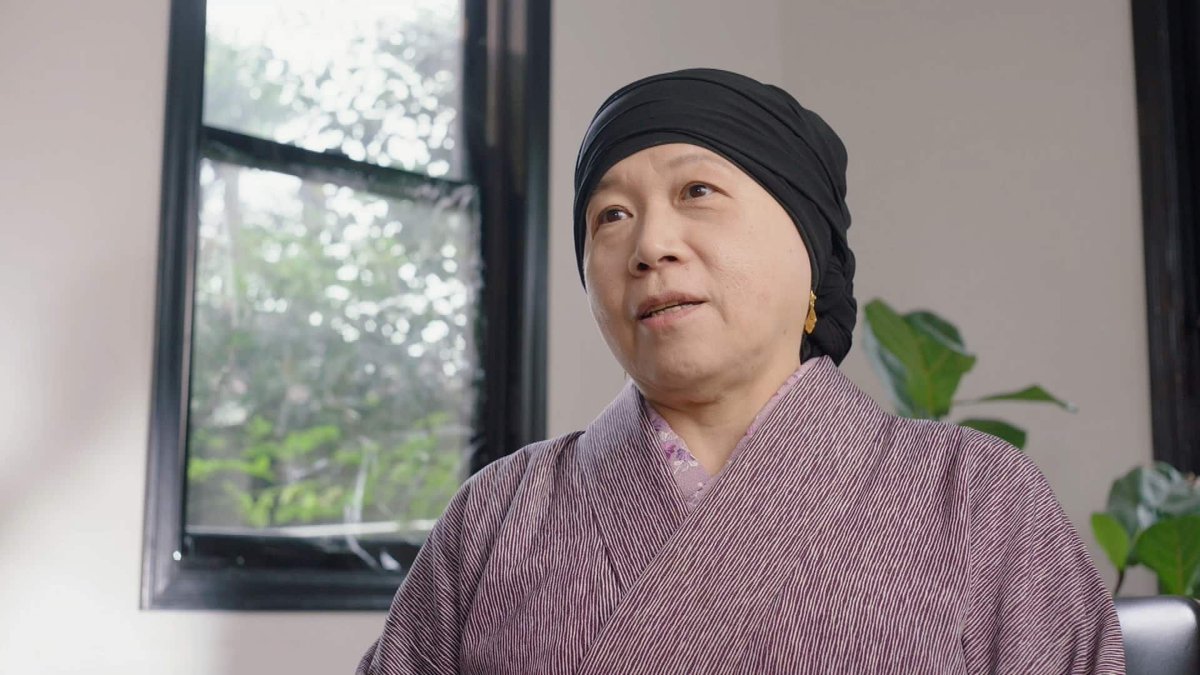
Currently, Yoshimi continues to be involved in the mosque’s operations as a board member. She carries multifaceted roles that go beyond merely maintaining a place of worship, including strengthening community bonds and promoting harmony with Japanese society.
Managing a mosque involves various challenges. From facility maintenance and event planning to supporting newly arrived Muslims in Japan and building relationships with the local community, the duties are diverse. Yoshimi addresses these challenges from her position of understanding both Japanese and Islamic cultures.
Support for Muslim Children Living in Japanese Society
Particularly noteworthy among Yoshimi’s activities is her support for Muslim children facing difficulties living in Japanese society. The challenges that children with different cultural backgrounds face in Japanese schools and society are greater than one might imagine.
Securing halal ingredients for school lunches, ensuring time for prayer, accommodating Islamic holidays, and above all, confronting the lack of understanding and prejudice from those around them—for children and families facing these issues, someone like Yoshimi is a reassuring ally.
Having grown up as a Christian, herself a minority, and having converted to Islam, an even smaller minority religion in Japan, Yoshimi deeply understands the difficulties of living as a minority. This experience becomes the source of her empathy and practical support for these children.
The Meaning of Living Two Religions
The greatest characteristic of Yoshimi’s life is that she has sincerely lived through two religions: Christianity and Islam. While most people deepen their faith within one religion, Yoshimi has experienced two different faith systems.
This experience must have brought deep insights into the essence of religion. Both Christianity and Islam share common values: faith in one God, love for one’s neighbor, and the practice of justice and mercy. Although forms and rituals differ, there are commonalities in the answers to the fundamental question of how humans should live.
Rather than “abandoning” and “choosing” between the two religions, Yoshimi perhaps learned from both teachings and arrived at a deeper understanding of faith. Conversion may not have been a denial of faith but rather a process of deepening faith.
Implications for Intercultural and Interreligious Coexistence
Yoshimi’s way of life offers important implications for the challenges of multicultural coexistence that modern society faces. In today’s globalizing world, living together with people of different cultural and religious backgrounds is an unavoidable reality.
However, understanding of Islam is still lacking in Japanese society, and prejudices and misunderstandings are not uncommon. Some extreme cases reported in the media distort the image of the moderate and peaceful majority of Muslims.
People like Yoshimi serve as precious bridges for dispelling such misunderstandings and deepening mutual understanding. Her very existence as a Japanese Muslim demonstrates that Islam is not necessarily something “foreign” or “distant.”
Deepening One’s Faith
Yoshimi has balanced deepening her faith with social activities. Managing the mosque and supporting children is not merely social contribution but the practice of faith itself.
In Islam, there are basic practices called the “Five Pillars,” but at the same time, “charity” and “assistance to those in need” are also considered important religious obligations. Yoshimi’s activities are precisely the concrete practice of these faith teachings.
Yoshimi’s way of life embodies the truth that religion is not merely about observing rituals but about practicing its teachings in daily life and serving others.
The Message of “You Are Not Alone”
The words “you are not alone” in the title carry deep meaning. For Muslims living as minorities in a foreign land, feelings of isolation and alienation are significant issues. Children in particular may suffer and be hurt by being “different” from “normal” at school.
Yoshimi’s activities and the mosque’s existence continue to send the message “you are not alone” to such people. They convey that there are companions who share the same faith, people who understand, and a supportive community.
Moreover, this message is also at the heart of faith itself. Through connection with God, a person is never alone. The conviction that one is always with God, in times of difficulty and times of joy, supports believers.
The Role of Religion in Modern Japan
What becomes visible through Yoshimi’s activities is the new role of religion in modern Japan. Japan has traditionally held a polytheistic religious outlook and may not have had sufficient understanding of exclusive monotheism. However, with advancing globalization, people with various religious backgrounds have become members of Japanese society.
Religion is not merely a matter of personal belief but is the foundation of identity, the bond of community, and the source of life norms. For Muslims, Islam relates to every aspect of life, and understanding and respecting this is essential for realizing a truly coexistent society.
Facilities like Nagoya Mosque are not merely religious institutions but also points of cultural exchange and bases for mutual understanding. Through the efforts of people like Yoshimi, Japanese society is gradually changing into one that accepts diversity.
Conclusion—Toward a Future of Faith and Coexistence
Kureshi Sara Yoshimi’s life is a moving story that demonstrates the depth of faith and human potential. Her journey—raised as a Christian, converting to Islam, being involved in the establishment and operation of Nagoya Mosque, and continuing to support children facing difficulties—teaches us the importance of human bonds that transcend differences in religion and culture.
Believing “you are not alone”—this is not merely an optimistic slogan but a truth realized through concrete actions and community support. Yoshimi and her companions at the mosque continue to convey this message not just through words but through practice.
For Japanese society to become more accepting of diversity and a society where people with different backgrounds can respect each other, the presence of bridge-builders like Yoshimi is extremely important. Because she has the experience of sincerely living through two religions, she can embody the possibility of dialogue and understanding between different entities.
What is faith? What does it mean to live together? Yoshimi’s life presents one sincere answer to these universal questions. And that answer continues to live today at Nagoya Mosque—in the smiles of children, in words of prayer.





コメント