Introduction
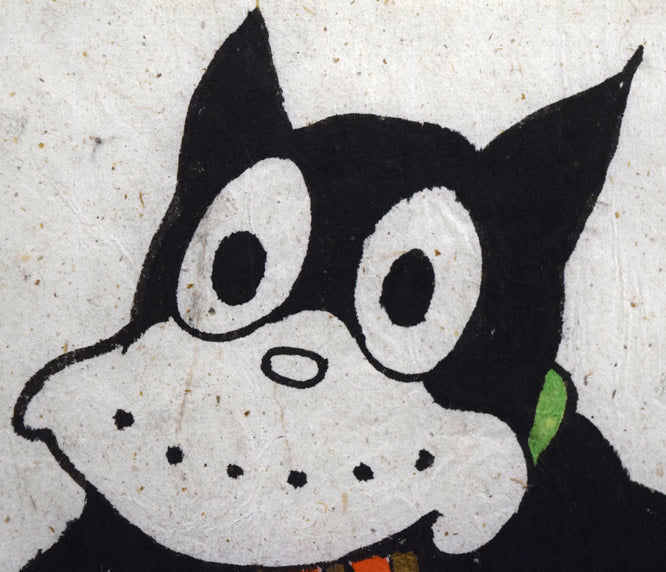
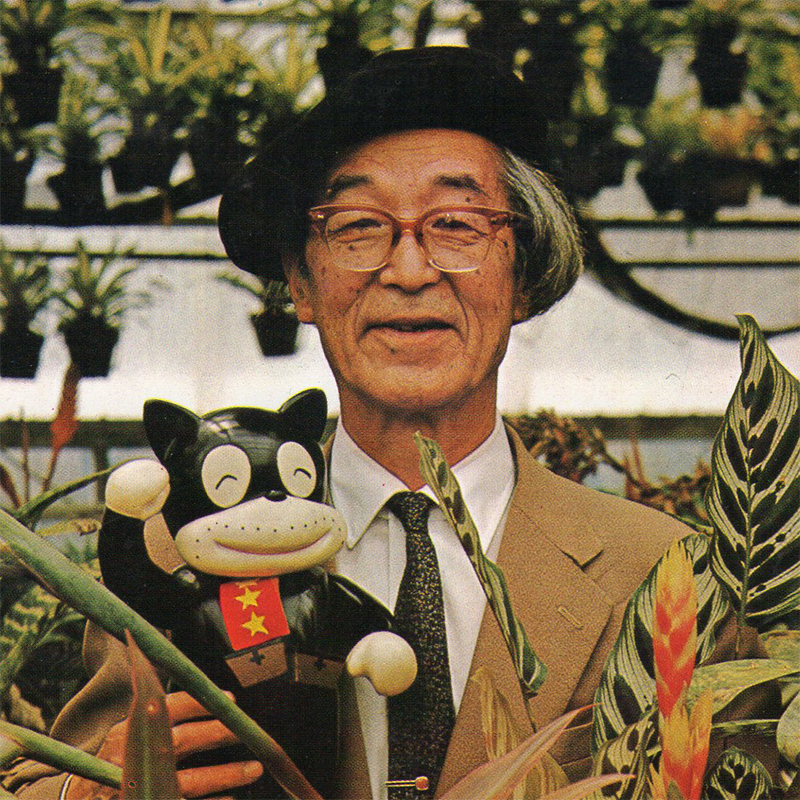
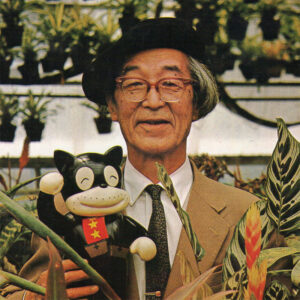
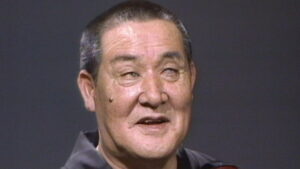
The life of Tagawa Suiho (田河水泡), as told in the “My Autobiography” program broadcast on January 22, 1981, holds extremely important significance in the history of Japanese manga. As a pioneer of story-based manga in Japan, Tagawa Suiho had an enormous influence on the development of manga culture. His masterpiece “Norakuro” in particular captivated children in the early Showa era and is still remembered today as a work that opened new horizons in Japanese manga expression.
This article explores in detail the turbulent life journey of how a young man who aspired to be a painter walked the path to becoming a manga artist and eventually created the nationally beloved character “Norakuro.”
The Position of Tagawa Suiho as a Manga Artist
An Innovator in Japanese Manga History
During the era when Tagawa Suiho was active, Japanese manga primarily consisted of single-panel cartoons and satirical drawings. The format of story-based manga with continuous narratives had not yet been established. Tagawa Suiho pioneered this new genre of manga with ongoing storylines and had a major influence on later manga artists, including Osamu Tezuka.
The New Era Opened by “Norakuro”
“Norakuro” was not merely a popular manga but a work that transformed Japanese manga expression itself. The long-form story depicting character growth, the exquisite balance of humor and social satire, and the approachable art style were groundbreaking for the time. Through the serialization of this work in “Shonen Club,” the new form of entertainment called story-based manga became established among children.
Youth Years Aspiring to Be a Painter
Longing for Art and Reality
Tagawa Suiho initially aspired to make a living as a painter. Like many young people with artistic aspirations, he too harbored a pure passion for art. However, the difficulty of making a living from art alone is a reality that many young people face regardless of era.
Tagawa Suiho also found himself struggling between ideals and reality. While continuing to pursue his dream of becoming a painter, he was pressed by the need to earn income to maintain his daily life.
A Decision for Survival
Before achieving success as an artist, he first needed to stabilize his livelihood. This pressing situation became a major turning point in Tagawa Suiho’s life. He temporarily set aside his dream of becoming a painter and began searching for a path that would provide more reliable income.
This decision was by no means an abandonment of his dream, but rather a realistic choice to continue creative activities in a different form. And this choice would become the first major step toward changing the history of Japanese manga.
Encounter with Shin-saku Rakugo (New Rakugo)
Transition to Written Expression
The path he chose for survival was writing scripts for shin-saku rakugo (new rakugo). The transition from painting to written expression might appear at first glance to be a step backward as an artist. However, this experience provided Tagawa Suiho with a valuable opportunity to hone his storytelling skills and sense of humor.
Rakugo is a traditional Japanese narrative art form that requires advanced techniques to make audiences laugh and move them within a limited time. By writing scripts, Tagawa Suiho learned how to construct stories with proper narrative structure, differentiate character personalities, and use punchlines effectively.
Publication in Popular Magazines
By writing shin-saku rakugo scripts and publishing them in popular magazines, Tagawa Suiho gradually became known. Popular magazines, as a medium, had a wide readership and played a central role in the popular culture of the time.
What’s important here is that Tagawa Suiho developed a sense of being an entertainer for the “masses.” He cultivated not only lofty ideals as an artist, but also the ability to understand what ordinary people sought, what made them laugh, and what they empathized with. This experience became an important foundation that would lead to the later mega-hit of “Norakuro.”
The Fateful Turning Point – Meeting with “Shonen Club”
Shin-saku Rakugo as the Catalyst
Publishing shin-saku rakugo scripts in popular magazines would change Tagawa Suiho’s destiny in an unexpected way. His scripts caught the attention of editors and publishing industry professionals, and his compositional skills and sense of humor were highly praised.
During this period, “Shonen Club” had established a firm position as reading material for children, but was constantly seeking new and appealing content. Tagawa Suiho’s storytelling ability and humor perfectly matched what “Shonen Club” was looking for.
The Path to Manga Serialization
The storytelling skills cultivated through shin-saku rakugo and the artistic technique he originally possessed. By combining these two talents, Tagawa Suiho opened the door to a new genre called story-based manga. When he received an offer from the editorial department of “Shonen Club” to serialize a manga, the greatest turning point in his life had arrived.
Aspiring to be a painter, writing shin-saku rakugo for a living, and then becoming a manga artist. This path, which might seem like a detour at first glance, was actually the process by which Tagawa Suiho acquired all the elements necessary to succeed as a story-based manga artist.
The Background of “Norakuro’s” Birth
The Art of Character Creation
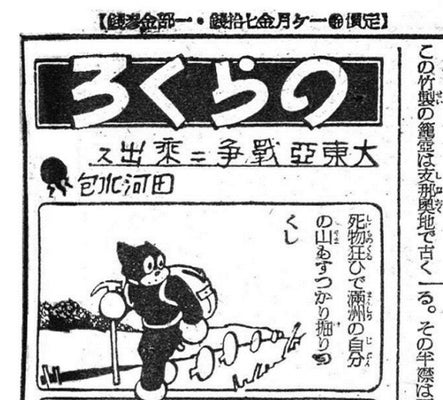
The protagonist of “Norakuro” is Kurokichi the stray dog, nicknamed “Norakuro.” The story of a stray dog rising through military ranks from private second class to lieutenant received overwhelming support from children of the time.
Why was a dog the protagonist? Anthropomorphized animal characters allowed for freer expression than depicting humans directly, and were also familiar presences for children. Furthermore, the “stray dog” setting symbolized a working-class success story of rising from a low status through effort and wit.
Innovation in Story Structure
What made “Norakuro” innovative was that it had an ongoing narrative rather than standalone gags. By depicting the protagonist’s growth, promotion, and overcoming of various difficulties, readers looked forward to each installment of the serialization.
This storytelling ability was precisely what had been cultivated through writing shin-saku rakugo scripts. Narrative structure with proper development, differentiation of character personalities, and the balance of humor and seriousness—all of these were the fruits of the experience Tagawa Suiho had gained through his detours.
Resonance with the Historical Context
The early Showa period, when “Norakuro” was serialized, was an era when Japan was leaning toward militarism. The story set in the military was not unrelated to the historical context of the time. However, the military depicted by Tagawa Suiho never glorified war, but humorously portrayed the lives of ordinary people within an organization.
Norakuro’s failures and successes, relationships with superiors, and friendships with comrades—while borrowing the special setting of the military, these depicted universal human drama. That’s why it became a work loved by many people transcending time periods.
Achievements as a Pioneer of Story-Based Manga
Establishment of Manga Expression
The story-based manga style that Tagawa Suiho established with “Norakuro” had an immeasurable influence on the subsequent development of Japanese manga. The foundations of various expressive techniques that connect to modern manga—continuous storylines, character growth, innovative panel layouts, and use of sound effects—were being shaped during this period.
Before Osamu Tezuka came to be called the “God of Manga,” Tagawa Suiho continued to greatly influence later manga artists as a pioneer of the new genre called story-based manga.
Manga as Popular Culture
The success of “Norakuro” became the catalyst for manga to be recognized as an important part of popular culture, not merely entertainment for children. Character merchandise was produced, films were made, and Norakuro became a social phenomenon.
Through this success, the profession of manga artist gained social recognition, and many young people began aspiring to become manga artists. Tagawa Suiho paved the way for establishing manga as both a form of art and as a profession.
Lessons from Tagawa Suiho
The Value of Detours
What Tagawa Suiho’s life teaches us is the value of detours in life. Aspiring to be a painter, writing shin-saku rakugo scripts, and then becoming a manga artist—this seemingly inefficient path was actually what formed his unique talent.
For those of us living in the modern era, when our path seems like a roundabout way, it may be becoming valuable experience for future success. Tagawa Suiho’s life demonstrates that when experiences from different fields combine, new value can be born.
Dialogue with the Masses
Another important lesson from Tagawa Suiho is his attitude of valuing dialogue with the masses. While maintaining high ideals as an artist, he was always conscious of what readers sought and what brought them joy.
To succeed as a creator, it’s important to balance self-expression with readers’ needs. Tagawa Suiho was one of the creators who achieved this balance brilliantly.
Conclusion – The Legacy of Tagawa Suiho
The life of Tagawa Suiho as told in the 1981 “My Autobiography” continues to hold value today as an important testimony in the history of Japanese manga. The journey from a young man aspiring to be a painter, to writing shin-saku rakugo for survival, to creating the nationally beloved character “Norakuro,” is both a story of growth as a creator and the very process of Japanese popular culture developing.
As a pioneer of story-based manga, Tagawa Suiho conveyed to later manga artists not only technical foundations but also the attitude of a creator. The balance of artistry and popular appeal, the importance of continuous storytelling, and the power of humor—these elements continue to flow through modern manga.
More than 90 years after “Norakuro” was born, Tagawa Suiho’s achievements remain unfaded. The path he opened has led to today’s rich manga culture. We must not forget that at the source of the many manga works we enjoy today lies the challenge and creativity of one manga artist named Tagawa Suiho.


コメント